
Task-based activity
Whether someone can successfully complete a task despite their problem is one of the most common issues that they describe to me in the clinic.
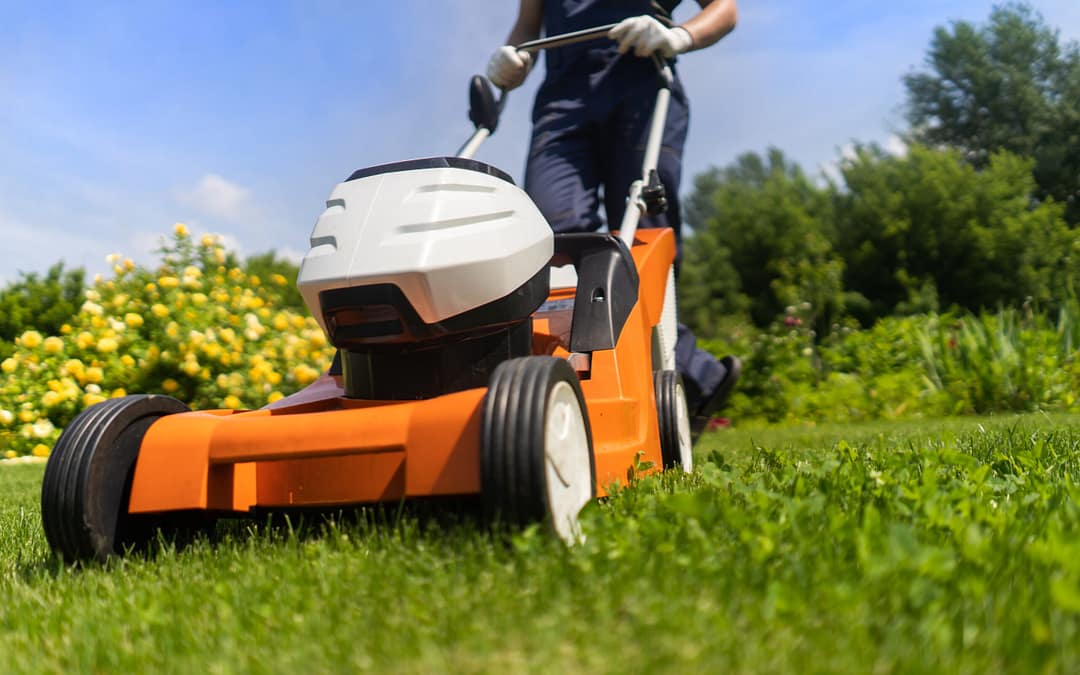
So, someone with a painful knee might tell me they can’t mow the lawn, or if they have a shoulder problem, they’ll tell me they struggle to do the ironing. There are a whole range of activities that people describe like this. And I think of these as ‘pass / fail.’ You can either mow the lawn or you can’t, or you can do the ironing or you can’t.
Think of it another way. It’s like a runner saying that they can’t run a marathon – not because they are injured, but maybe because they aren’t fit enough to run that distance at the moment. That still fits with the pass / fail idea.
But there’s a simple answer to that.
They should run a shorter distance that they can manage. Perhaps 6 miles, for example. They can then increase to 8 miles, and then 10 over a period of weeks, running some shorter runs in between. It might take them 6 months or so to get marathon fit if they stay injury-free. Ultimately, however, they will be able to say that they can run a marathon in our pass / fail model.
Mow half the lawn
So, let’s put that back into our clinical examples. The patient who can’t mow the lawn. I’ll tell them to mow half the lawn, or do 3 ‘stripes’ of the lawn. Doing as much as they can BEFORE they get their pain. Not pushing on until they get their symptoms, because then they have caused a flare-up, which is not what we want.
Of course, if I tell someone to mow half their lawn one day and the other half the next, a common response is ‘I can’t do that.’ Well, they can, but whether they are prepared to do it is a different matter entirely!
And you can always come back to the task and do a bit more later. Let’s go back to our mowing the lawn example – this post does read like I’m an obsessive grass cutter, but I’m really not! So, do a third of your lawn then take a rest. You might be able to come back a couple of hours later, do the next third, and finish it off in the evening. This way, the lawn gets done, just not in one go, but in sustainable chunks.
When you come back to the activity a second or third time, if you can’t do as much, perhaps the rest period isn’t long enough for your injured area. By increasing the rest time, you should be able to correct this.
Do things with respect to your problem – be sustainable!
This is the concept of moving away from the task-based activity ‘pass / fail’ idea. I get my patients to do things not from the point of view of the task at hand, but from the point of view of their problem. How much can you do before it becomes painful? Or before you lose your walking quality and you start limping? Or before your shoulder stiffens up?
In those examples, ask yourself the question: is that sustainable? Can you carry on like that? And maybe the bullish part of your personality might say that you can, but the reality is that you probably can’t. Not without consequences anyway.
By breaking up these activities into smaller chunks, patients can undertake them in a sustainable manner, without stirring up their problem and setting themselves back. Yes, they really need to buy into the idea. Some people just won’t – they will carry on regardless because that’s what they do, and they won’t change just because they have a problem.
But when folk do embrace the idea, I see really good results. Ppatients get fewer flare-ups, they can get on with their rehab programmes without having caused themselves setbacks, AND, their jobs get done. They just take a little longer to do.
Summary
So, in summary, think of some activities that you do fairly regularly that aggravate your problem. If they only flare your symptoms after a while, consider doing that activity for less time than that, and return to do more of the activity later. That way you’ll still complete the task, but without flaring your symptoms or setting back your rehab.
If you’ve got a problem that you want me to take a look at then do get in touch and we can book an appointment. If you aren’t local to me, then we can still have a consultation with my new remote service! Or alternatively, seek out a suitably qualified healthcare professional near you.
You can follow me on social media, where I’ll be posting more content like simple rehabilitation videos.